
Research & Evidence

Scientific References

An evidence centre, not a product page: rehabilitation research, official statistics, Norwegian provision data, Kenyan pilot documentation and company records. No reference is stated before it is verified.

01 — Scientific research

The research basis

The product decision rests on three sources: provision data from a mature assistive technology system, documented pilot use in Kenya and the wider rehabilitation literature.

Provision data from a mature system

Statistics Norway (SSB) reported 127,000 unique rollator users in Norway in 2023, within a population of approximately 400,000 people experiencing walking difficulties. This provides a useful real-world reference for the role walking aids can play in maintaining mobility and independence. In Kenya, the Ministry of Health has now identified an unmet mobility-aid need affecting approximately 550,000 people. The new Kenyan evidence confirms that the mobility challenge exists on a very large scale. BHK Solutions Kenya aims to be part of the solution by introducing a durable, repairable outdoor rollator selected for Kenyan conditions helping people who can still walk remain mobile, active and independent.
Observations from two pilot programmes

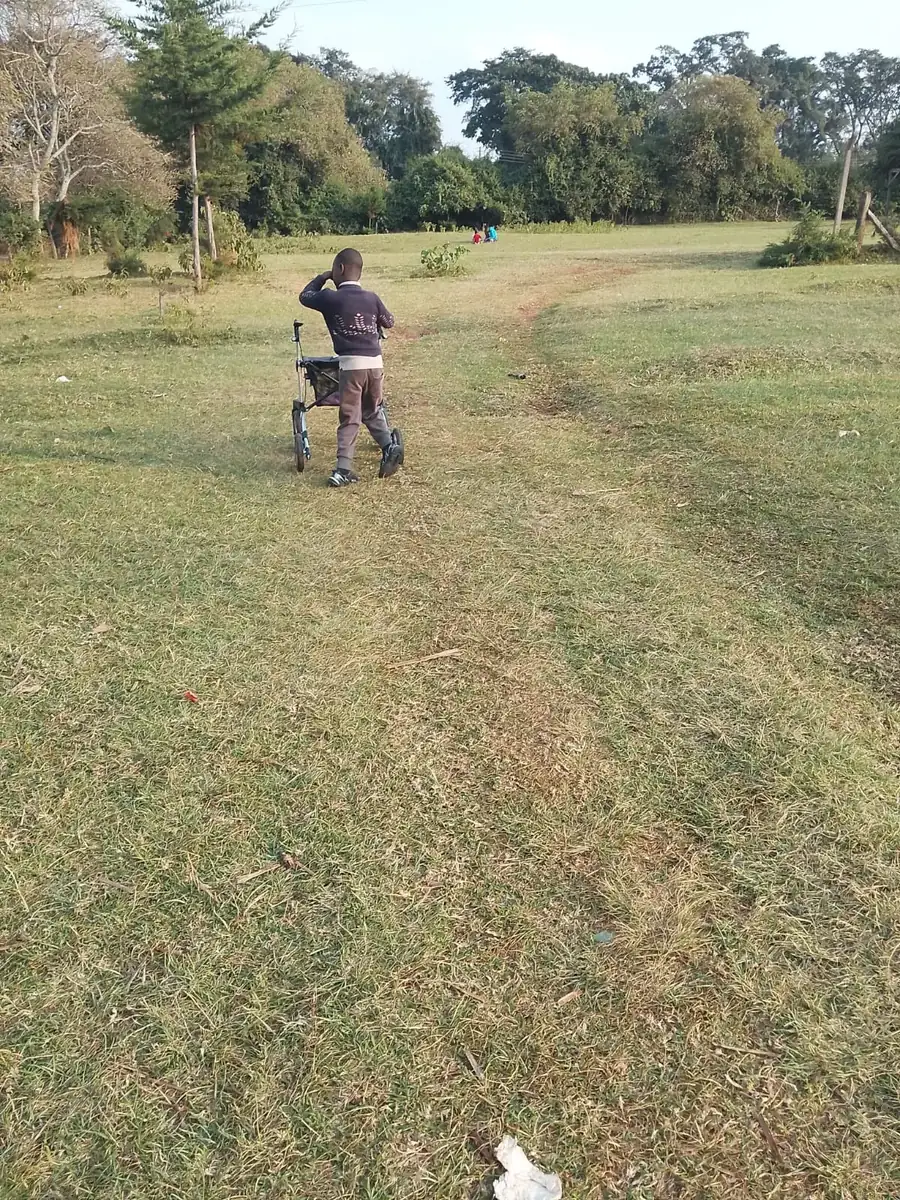
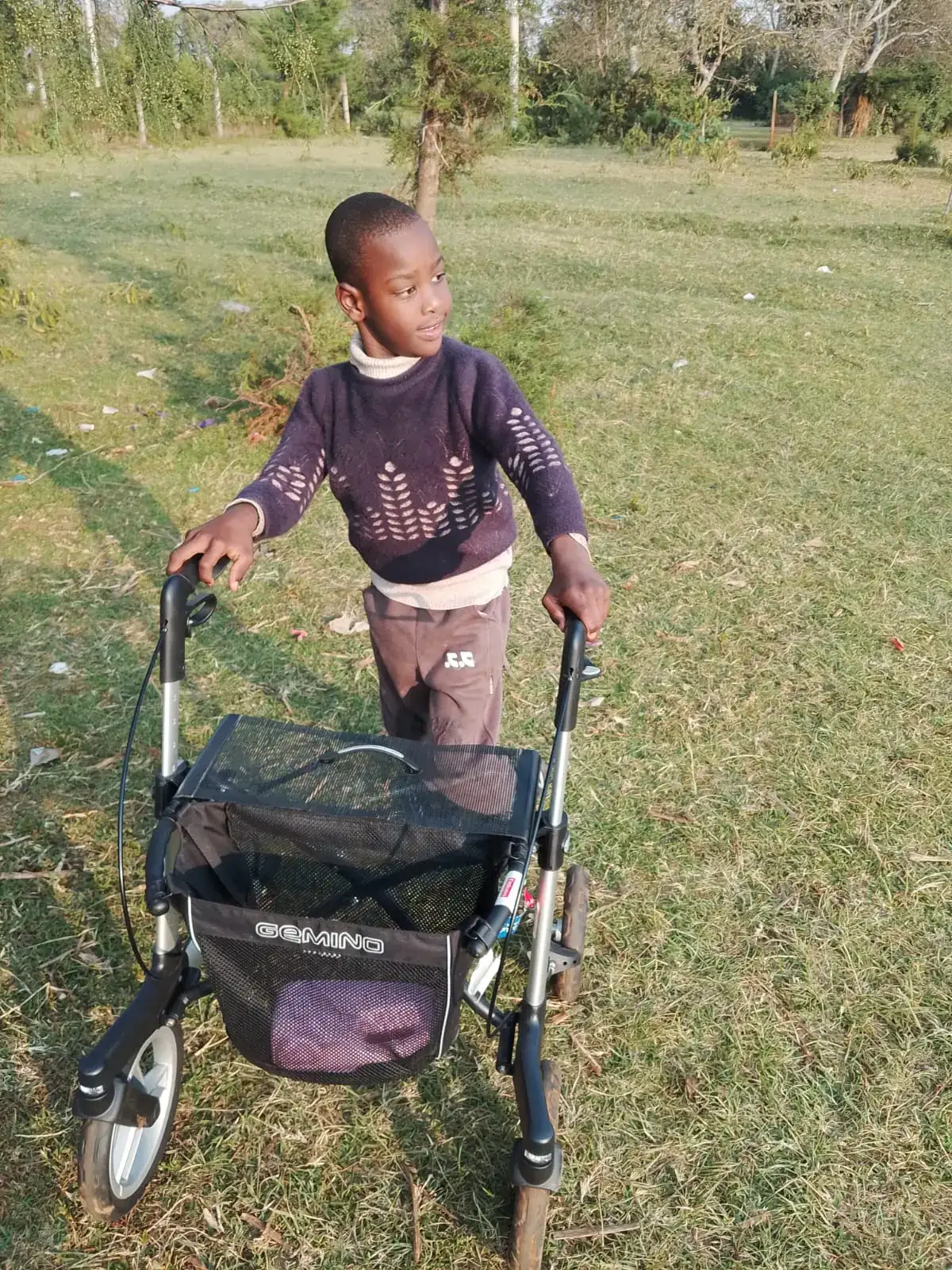
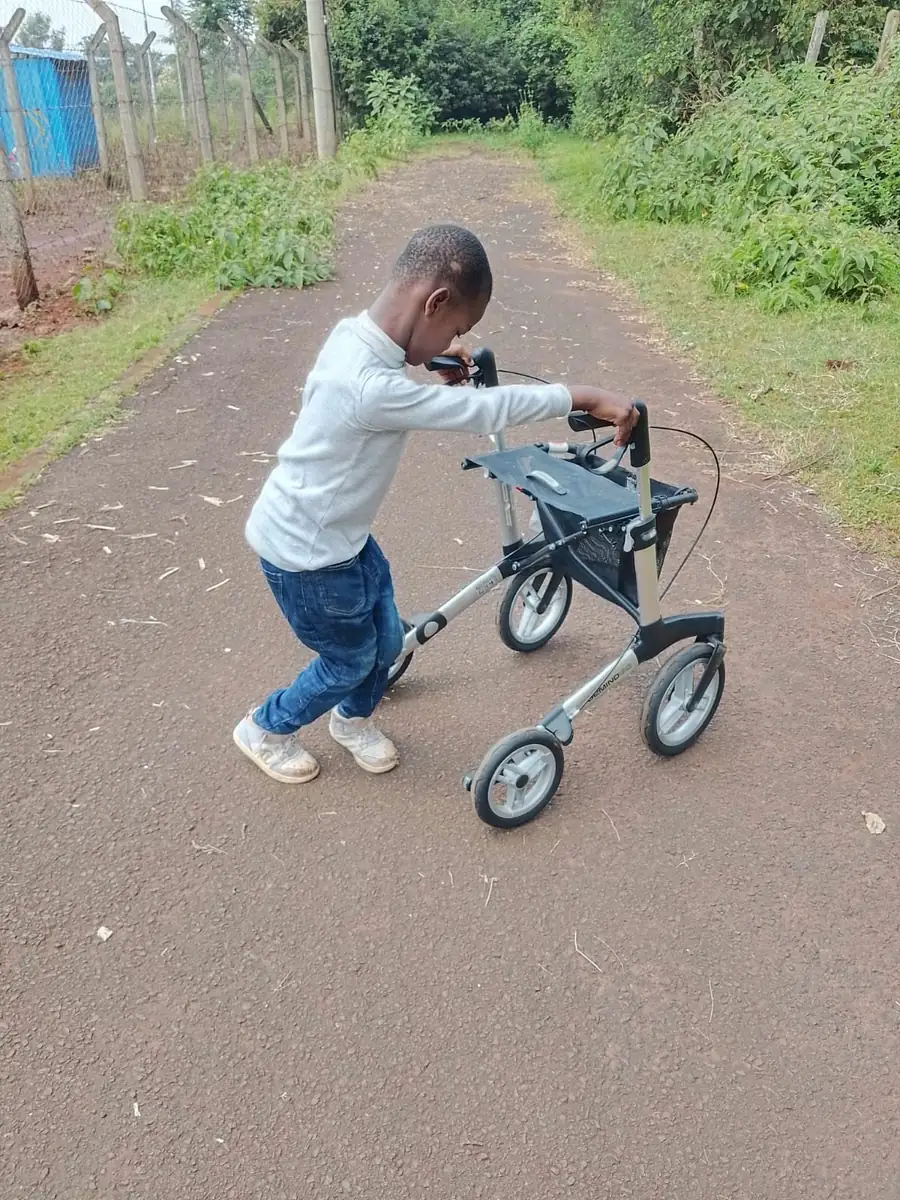
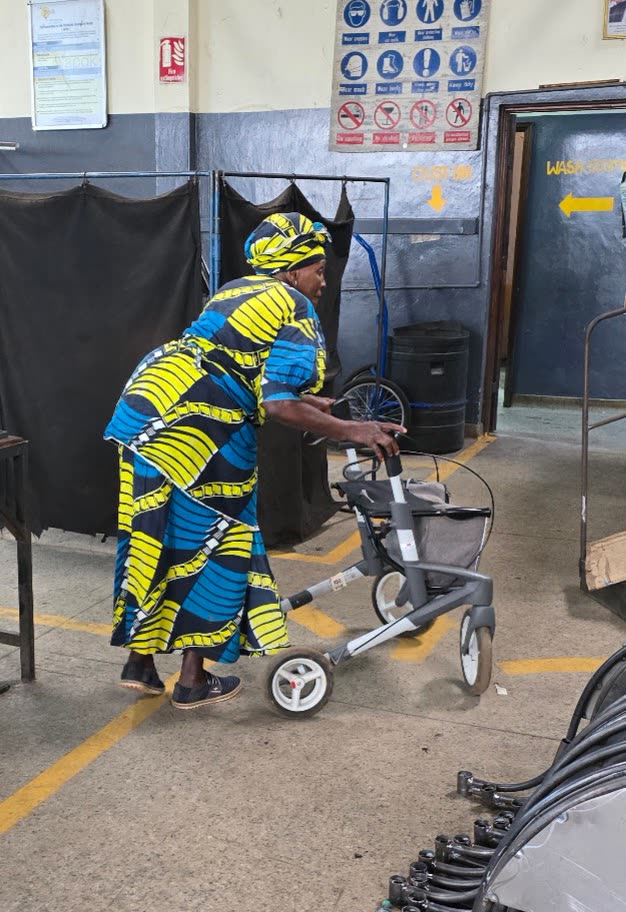
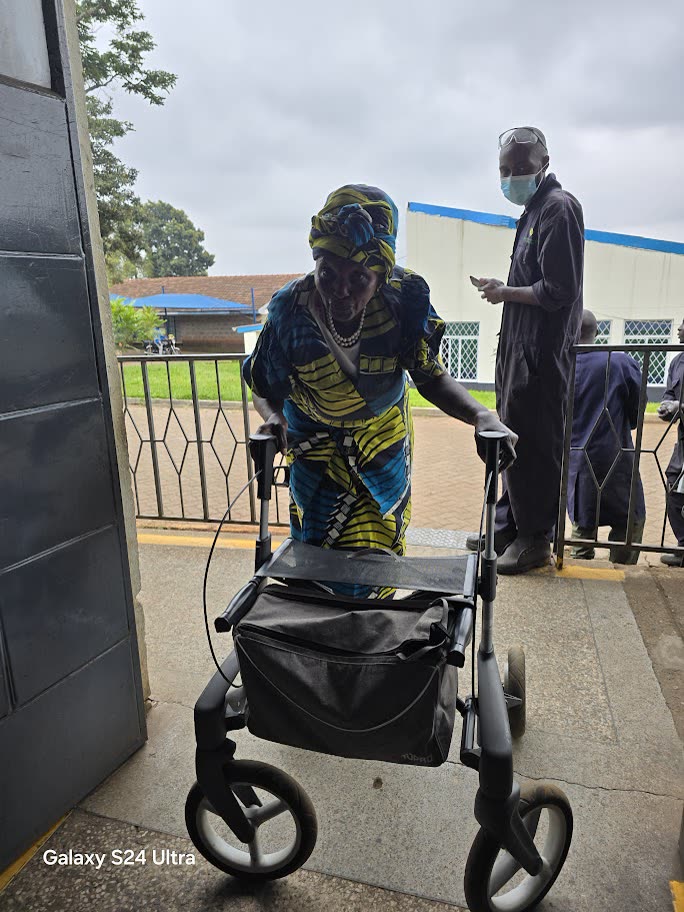
More than two years of continuous outdoor use, documented through fitting sessions, user interviews, photos, videos and structured observations. APDK staff have followed and observed the pilots, gaining first-hand insight into how rollators can support people who are still able to walk

Rehabilitation literature review

International rehabilitation literature on walking aids informed the product choice. Individual studies are cited on this page only once the source has been verified and can be linked in full.

The Lancet · Peer-reviewed evidence2024

The Lancet study behind the mobility gap

Activity limitations, use of assistive devices, and mortality and clinical events in 25 high-income, middle-income, and low-income countries: an analysis of the PURE study

Authors
Raed A. Joundi, Bo Hu, Sumathy Rangarajan, et al. (2024)
Journal
The Lancet — Vol. 404, No. 10452, pp. 554–569 (2024)
Study
Prospective Urban Rural Epidemiological (PURE) Study

Published in The Lancet, one of the world’s leading international medical journals.

The Lancet — key finding

Of the activity limitations studied, walking limitation had the strongest association with mortality — and was the limitation most consistently associated with other adverse clinical events.

The researchers also found lower use of gait, visual and hearing aids in low- and middle-income countries, despite a greater burden of activity limitations in those countries.

The Lancet — research summary

What was studied

Activity limitations — including difficulty walking — and the use of assistive devices among adults in countries at very different income levels, and how these relate to mortality and clinical events.

How it was studied

An analysis of the prospective PURE cohort: 175,584 participants across 25 high-income, middle-income and low-income countries, followed for a mean of 10.7 years.

What the research found

13.0% of participants reported difficulty walking. Walking limitation showed the strongest association with mortality (adjusted hazard ratio 1.32, 95% CI 1.25–1.39). Activity limitations were generally more prevalent in low- and middle-income countries, while use of assistive devices was lower there — a disparity that was particularly pronounced among women.

Why it matters

Difficulty walking was one of the three most common activity limitations, increased with age and was more common among women. The findings describe an international pattern in which the populations reporting the greatest mobility limitation are the least likely to use assistive devices such as gait aids.

The Lancet — quantitative findings

Reported difficulty walking

13.0%

22,805 of 175,554 participants reported a walking limitation — one of the three most common activity limitations in the study. Limitations increased with age and were more common among women.

Walking limitation and mortality

1.32

95% CI 1.25–1.39

Adjusted hazard ratio for mortality associated with walking limitation among PURE participants — the strongest association of the activity limitations studied. An association, not proof of cause.

Study scope

Participants
175,584
Countries
25
Country income levels
High · Middle · Low
Mean follow-up
10.7 years

The Lancet — detailed findings

Greater mobility limitation where income is lower

Activity limitations were generally more prevalent in low- and middle-income countries than in high-income countries.

Lower use of assistive devices in the same countries

The researchers found lower use of gait, visual and hearing aids in low- and middle-income countries despite their greater burden of activity limitations. The disparity was particularly pronounced among women.

Relevance to mobility and walking ability

Among the limitations examined, walking limitation carried the strongest association with mortality and was most consistently associated with other adverse clinical events — while gait aids were used least in the settings reporting the highest burden.

BHK Solutions interpretation — not a finding of the study

Why this evidence matters for Kenya

The Lancet study does not examine BHK Solutions, our rollator or the Kenyan market, and it does not compare rollators with wheelchairs. What it provides is broader: an international pattern of greater mobility limitation combined with lower use of assistive devices — highly relevant to the mobility gap BHK Solutions has independently observed in Kenya.

For us the findings strengthen the case for looking beyond the simple availability of mobility devices and asking whether people with walking limitations have access to appropriate assistive support. Cannot walk is not the same as can walk with support.

Support mobility where it still exists.

The Lancet — full citation

Joundi RA, Hu B, Rangarajan S, et al. (2024). Activity limitations, use of assistive devices, and mortality and clinical events in 25 high-income, middle-income, and low-income countries: an analysis of the PURE study. The Lancet. Vol. 404, No. 10452, pp. 554–569. DOI: 10.1016/S0140-6736(24)01050-X · PMID: 39068950

View original study

02 — Official statistics

Official data sources

Public statistics and government documentation, presented as source documents with publisher and year.

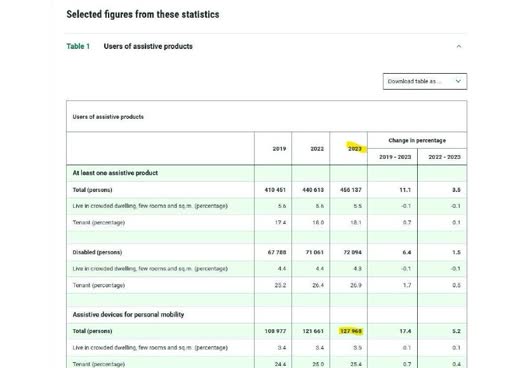
First page of the Statistics Norway 2023 assistive device data sheet
Status: Referenced

Statistics Norway (SSB)

  • Publisher: Statistics Norway
  • Year: 2023

127,968 users of assistive devices for personal mobility in 2023 (17.4% growth from 2019). Source: Statistics Norway (SSB). Not rollator-only data.

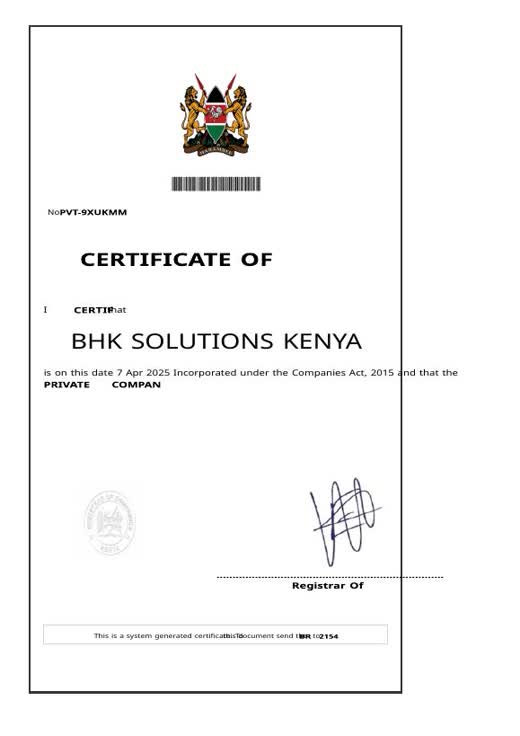
Certificate of incorporation for BHK Solutions Kenya Limited
Status: Referenced

Certificate of incorporation

  • Publisher: Registrar of Companies, Kenya
  • Year: 2025

BHK Solutions Kenya Limited, incorporated 7 April 2025 under the Companies Act, 2015 (Kenya).

03 — Pilot documentation

Kenyan pilot validation

Documentation from the APDK collaboration: photographs, timeline, technical evaluation, specifications, certification and rehabilitation observations.

Pilot photograph gallery

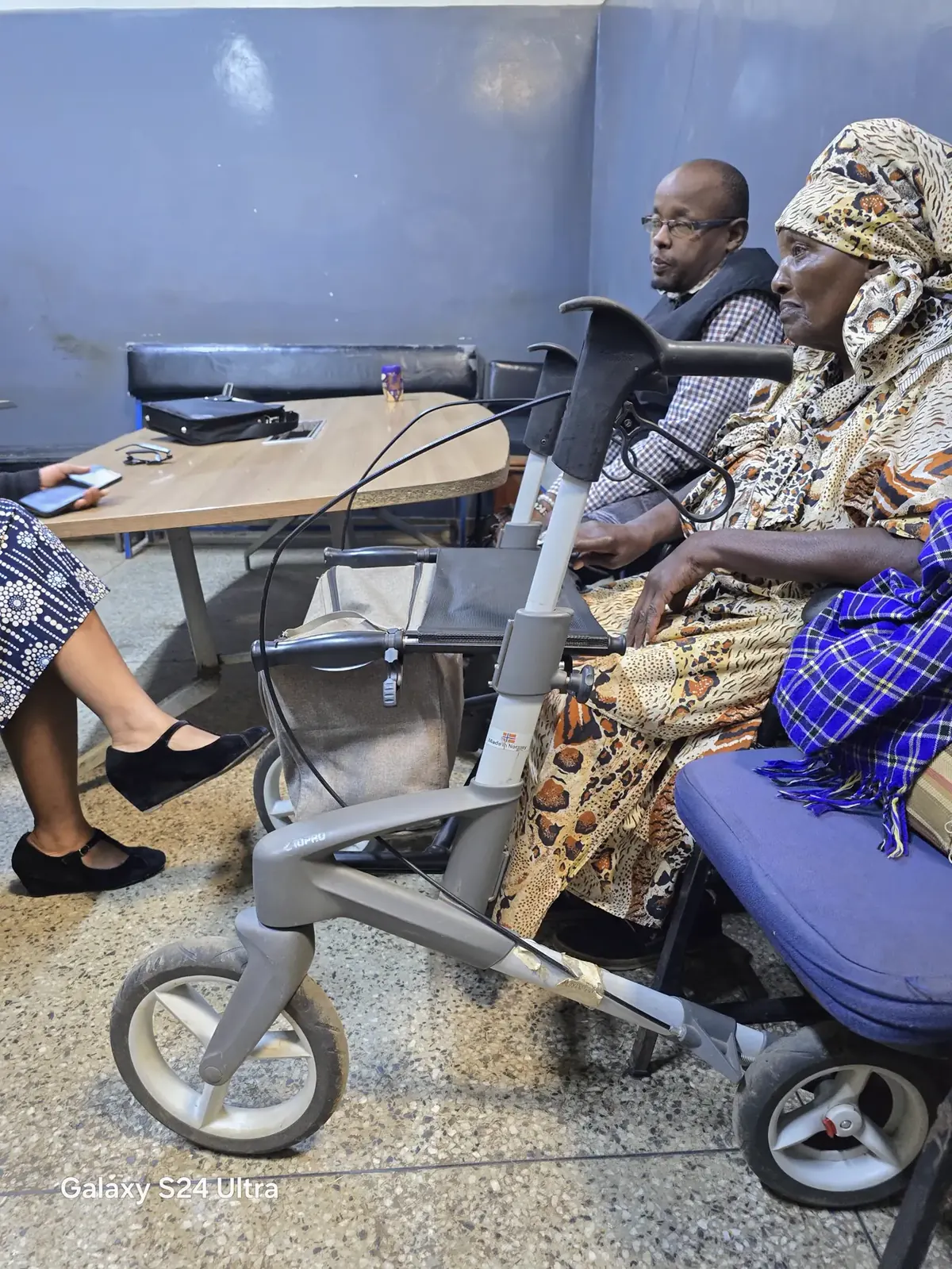
APDK premises — pilot collaboration.
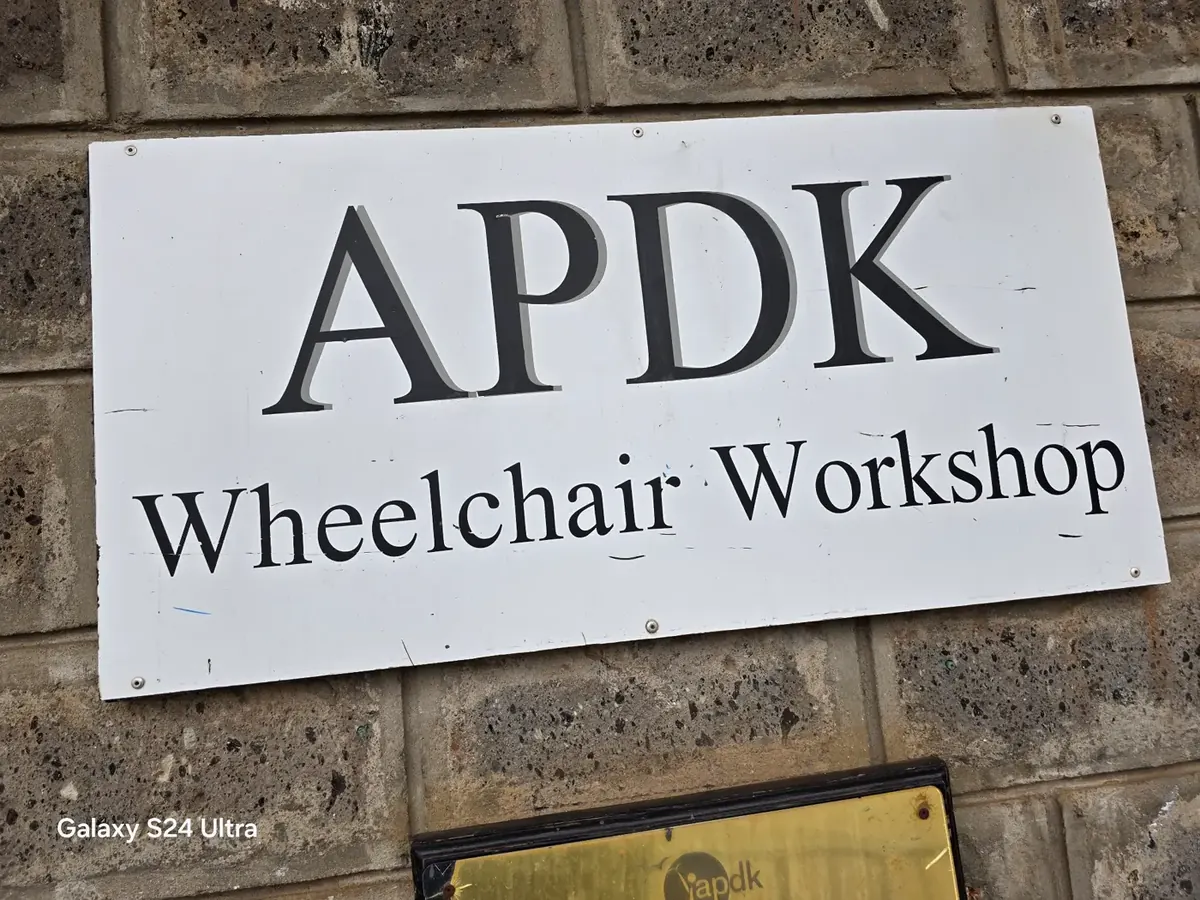
APDK Wheelchair Workshop — technical validation.
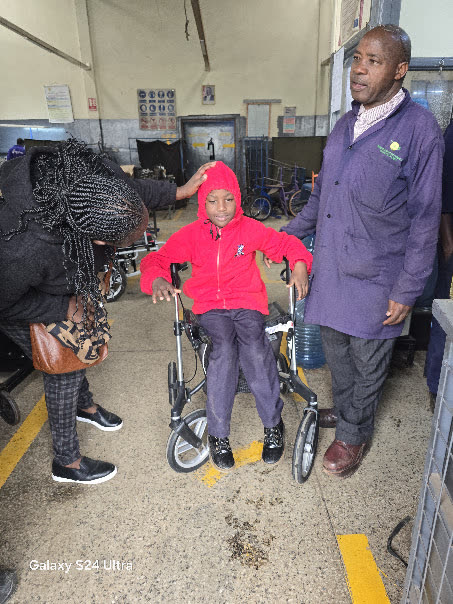
Fitting session at APDK with users and rehabilitation staff.
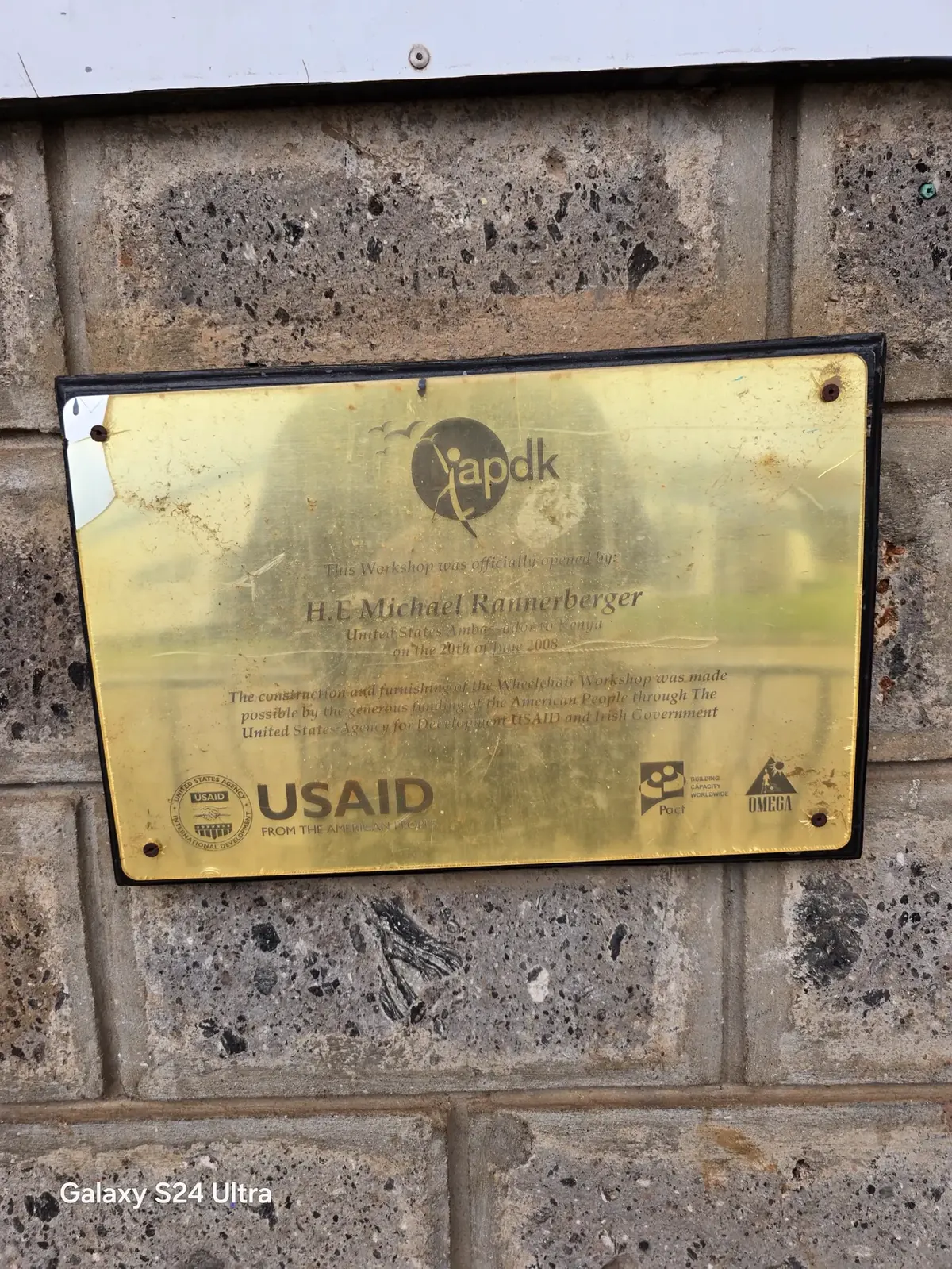
Plaque at the APDK workshop entrance.
Field fitting — outdoor terrain.
Field use — rough paths.
Continuous outdoor use during the pilot period.
The daily route — the terrain the rollator is specced for.
At home, between outdoor sessions.
Independent walking on the daily route.
Pricila — pilot participant.
Pricila — outdoor mobility.
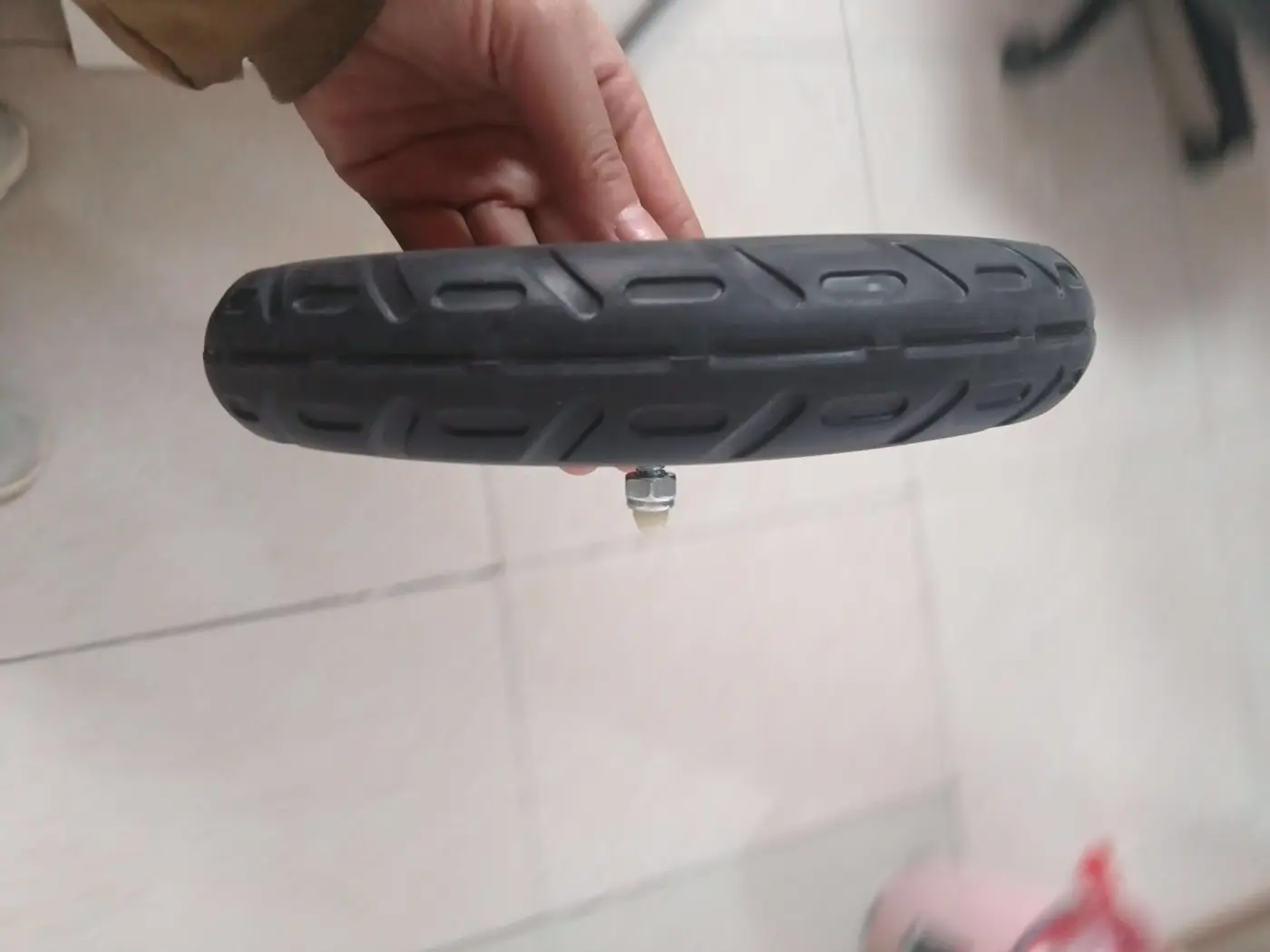
28 cm polyurethane front wheel — pilot unit.
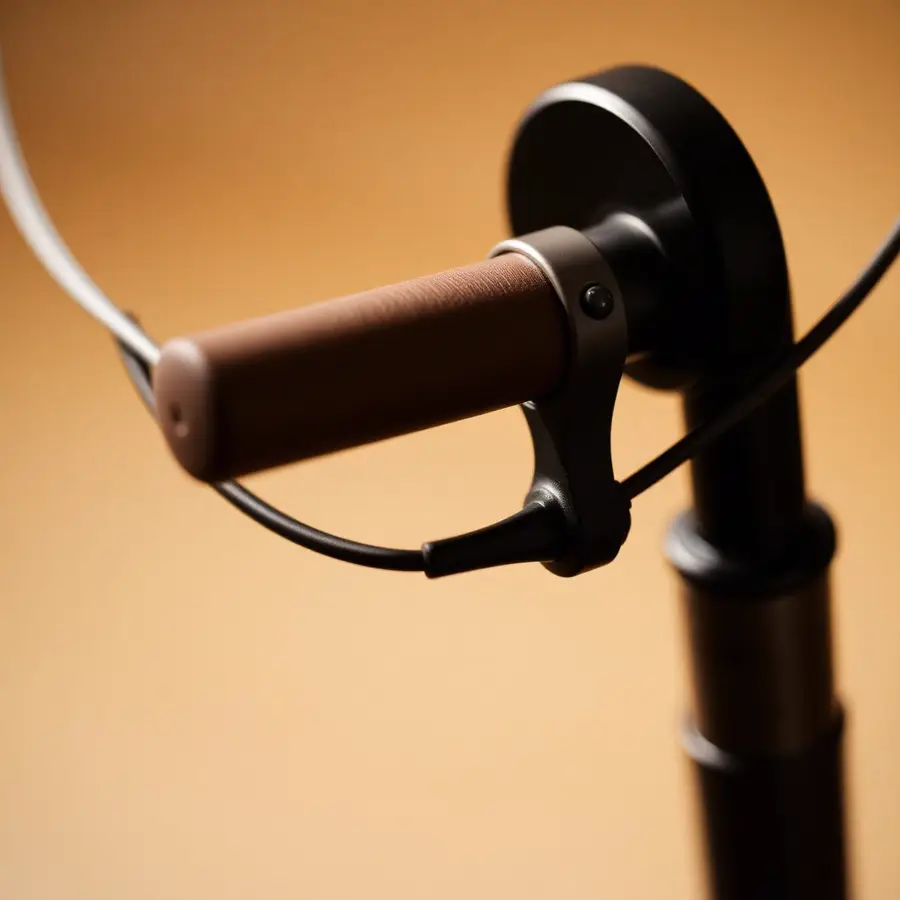
Mechanical cable brake handle — pilot unit.
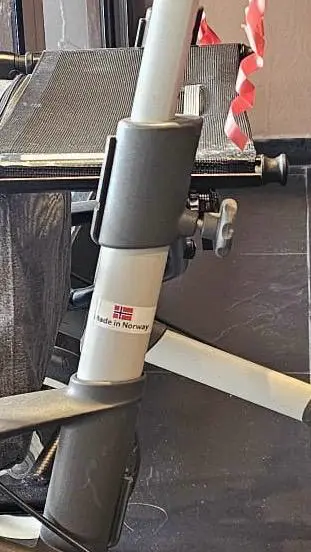
Aluminium frame joint — pilot unit.

04 — Founder research archive

The working library

The research trail behind the project: papers, notes, reports, white papers and technical documents collected since 2021.

Sensitive documents in this archive are shared on request under NDA.

Company statement

BHK Solutions Kenya Limited is a private limited company incorporated in Kenya on 7 April 2025 under the Companies Act, 2015.

05 — References

Reference register

Every statement on this website is linked to a source document in this archive. Peer-reviewed slots stay empty until each published source is verified.

Showing 6 of 6 references

  1. 01
    Mobility and health outcomesPeer-reviewed cohort study

    Joundi RA, Hu B, Rangarajan S, et al. Activity limitations, use of assistive devices, and mortality and clinical events in 25 high-income, middle-income, and low-income countries: an analysis of the PURE study. The Lancet. 2024;404(10452):554–569.

    The Lancet · Peer-reviewed · 2024 · DOI: 10.1016/S0140-6736(24)01050-X · PMID: 39068950

    Open document (opens in a new tab)
  2. 02
    Provision and market dataOfficial statistics

    Statistics Norway (SSB). Assistive devices for personal mobility — 127,968 users in 2023 (17.4% growth from 2019).

    Statistics Norway · Official statistics · 2023 · PDF in this archive

    Open document (opens in a new tab)
  3. 03
    Product and technical documentationCompany document

    BHK Solutions Kenya Ltd. Outdoor-adapted rollator — product and pilot brochure (technical specifications, materials, serviceability).

    BHK Solutions Kenya · Company document · PDF in this archive

    Open document (opens in a new tab)
  4. 04
    Pilot documentationCompany document

    BHK Solutions Kenya Ltd. Investor brief — the outdoor-adapted rollator and the two pilot programmes with APDK.

    BHK Solutions Kenya · Company document · PDF in this archive

    Open document (opens in a new tab)
  5. 05
    Company and legalLegal document

    Certificate of Incorporation, BHK Solutions Kenya Limited, 7 April 2025, Companies Act 2015 (Kenya).

    Registrar of Companies, Kenya · Legal document · 2025 · PDF in this archive

    Open document (opens in a new tab)
  6. 06
    Standards and certificationCertification record

    KEBS certification documentation — to be added once issued.

    Kenya Bureau of Standards · Pending

No reference is listed before the source has been verified. Peer-reviewed literature will be added to this register as each paper is confirmed.