The Founder

Bjorn Kvakland

Curiosity first. Kenya second. A mission that grew from listening.

Bjorn Kvakland, CEO and Founder of BHK Solutions Kenya

Bjorn Kvakland — CEO and Founder, BHK Solutions Kenya Ltd.

Founder

Bjorn Kvakland

Curiosity, observation, and a long-term commitment to Kenya.

Before Kenya, Bjorn had travelled to well over one hundred countries across every continent. Those experiences taught him to listen before trying to understand, and to recognise that every society has its own strengths, challenges and ways of solving problems.

He arrived in Nairobi in 2021 for what was meant to be a temporary stay. The warmth, openness and everyday kindness he encountered changed his relationship with the country. A single conversation with a waste picker in Westlands grew into years of field work and relationship-building across Kenya.

That listening led him to an overlooked question: in a country full of people who could still walk with support, why were outdoor rollators almost never seen? Rather than assume the answer, he spent years studying rehabilitation systems, international research and local needs before launching pilot programmes with APDK. Those pilots confirmed what decades of research had already shown: preserving mobility helps preserve independence.

"As the founder, I recognised something that local suppliers and procurement systems had largely overlooked. Coming from Norway, where more than 127,000 rollators have been supplied through the national assistive technology system, I knew that outdoor rollators are a standard mobility solution for people who can still walk with support.

When I looked at Kenya, I found that this entire category was virtually absent despite a clear need. I was so surprised by what I discovered that I felt compelled to understand why, and that curiosity became the starting point of the rollator initiative That again led us to validate the opportunity through collaboration with APDK, pilot testing, and direct engagement with rehabilitation professionals.

"Our insight is not simply that rollators are missing, but that an established and proven mobility solution has never been meaningfully introduced or integrated into East Africa's rehabilitation ecosystem."

Bjorn Kvakland · Founder
Follow on LinkedIn

The Journey

Four moments that shaped BHK Solutions Kenya

From a life of curiosity, through Kenya, to a question that became a company.

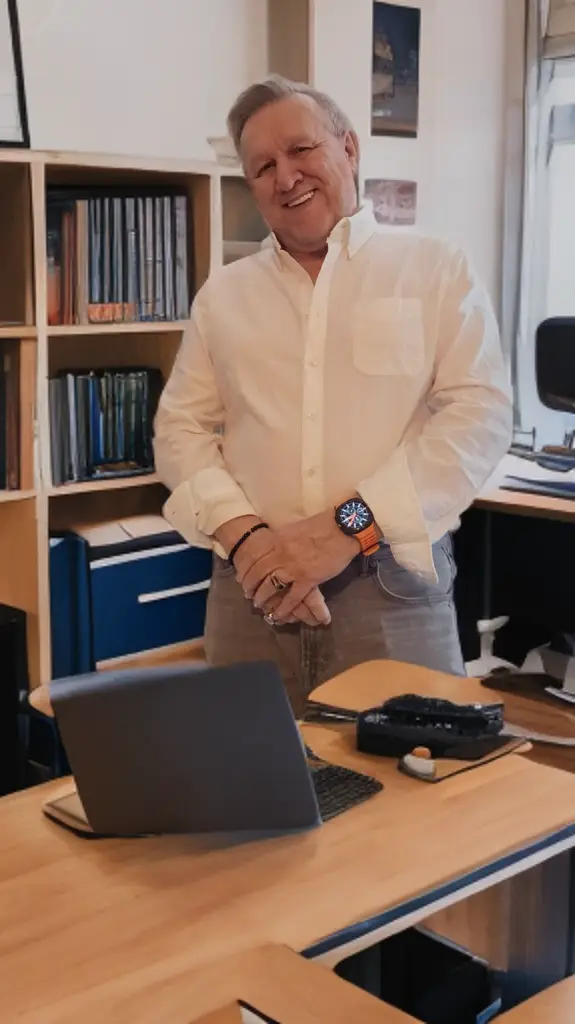
Bjorn Kvakland working from his office

Where the question started: why is this category missing in Kenya?

Before Kenya

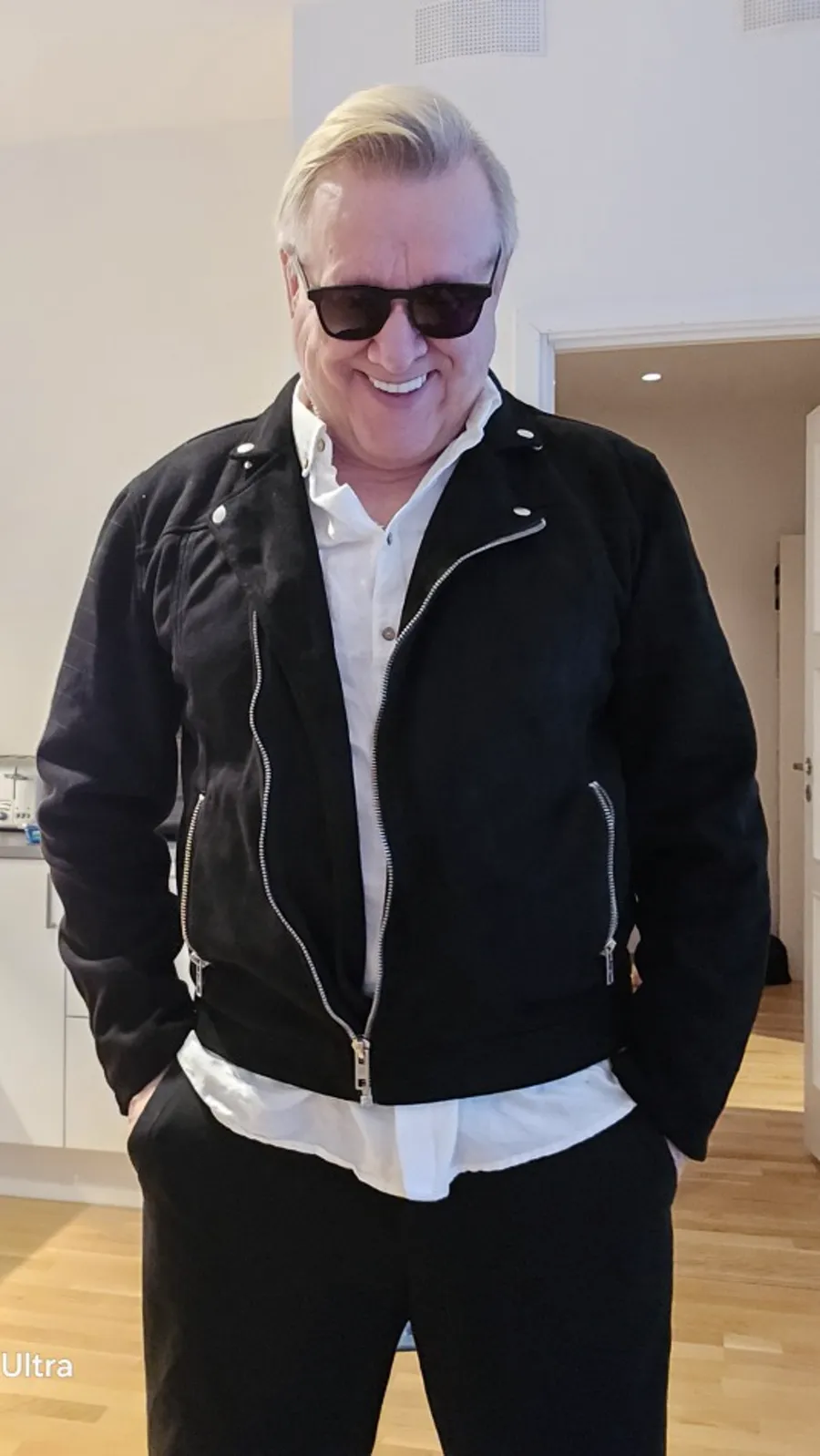
A Life of Curiosity

"What began as a simple question has since revealed a much larger mobility gap. Kenya now has an estimated unmet need for around 550,000 mobility aids, confirming that access to appropriate mobility support is not a niche issue but a challenge of national scale."

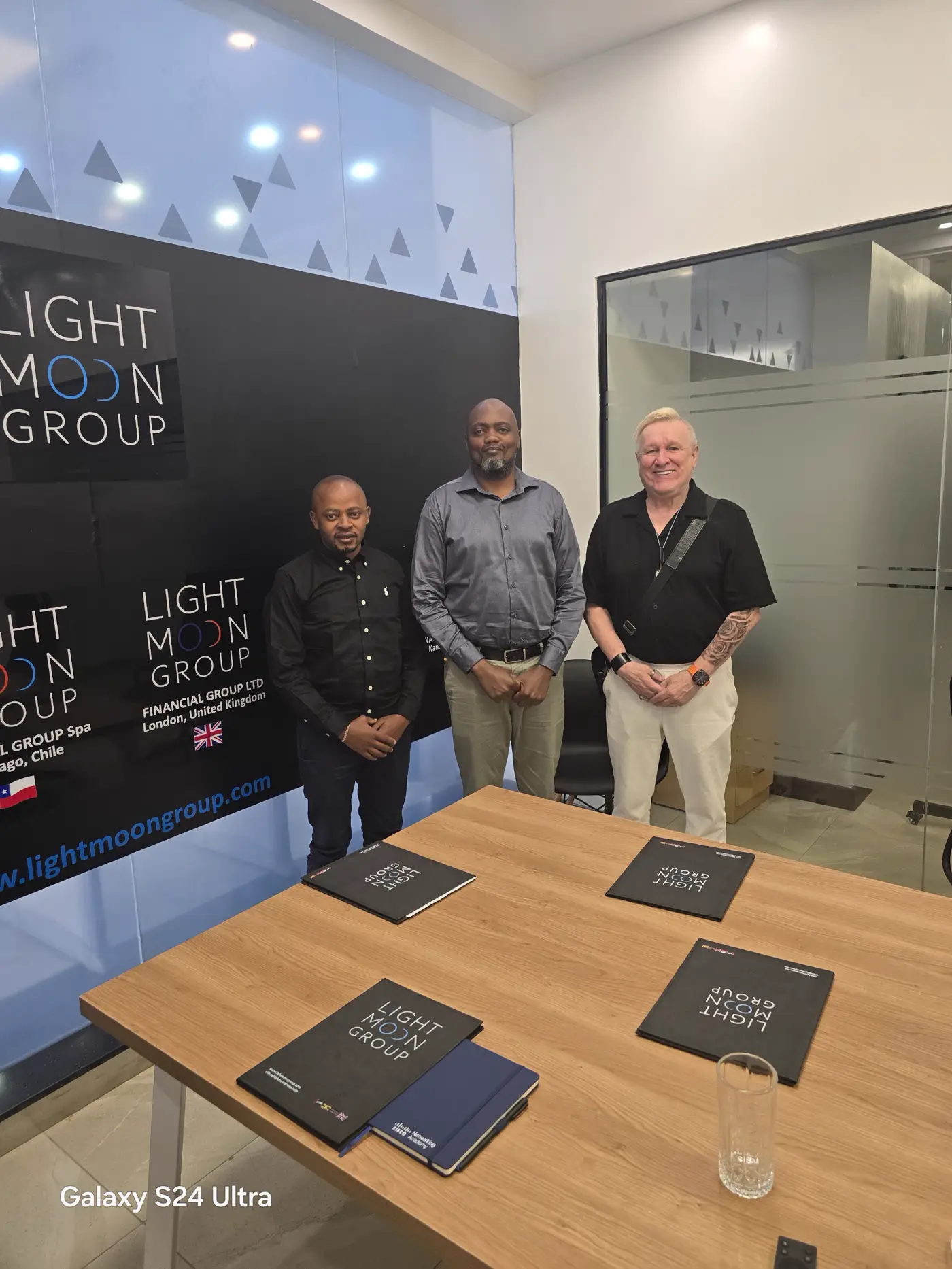
Bjorn Kvakland meeting Kenyan business partners in Nairobi

Building a Kenyan network — Nairobi.

2021

Kenya Changed Everything

Bjorn did not come to Kenya to start a company. He arrived in Nairobi in 2021 for what was originally intended to be a temporary stay. What impressed him first was not business opportunities—it was the people.

He experienced a warmth, openness and everyday kindness unlike anything he had encountered elsewhere. Conversations with strangers were natural. People smiled, helped one another and welcomed visitors with genuine curiosity.

That experience changed his relationship with Kenya. Instead of simply visiting, he began asking: "How can I give something back?" What started as a single interview with a waste picker in Westlands developed into years of field work, learning and building relationships across the country.

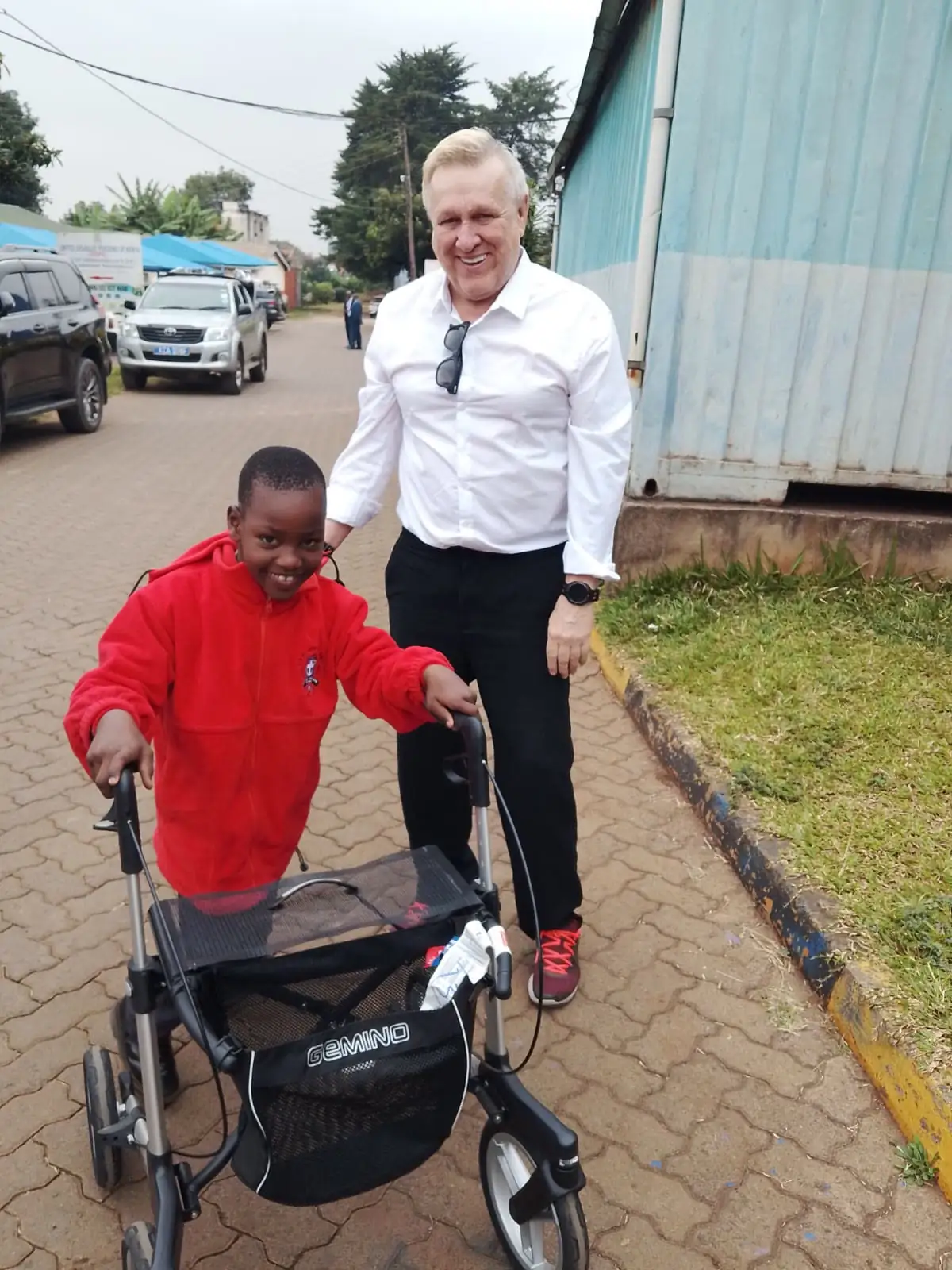
Bjorn Kvakland with Ian and his rollator in Kenya

Bjorn and Ian, after the first fitting.

2026 MEETING WITH IAN 

One Question Led to Another

While spending more and more time in Nairobi, Bjorn gradually noticed something he could no longer ignore. Shopping centres, public spaces and neighbourhoods were full of people—but very few elderly people were walking independently, and he almost never saw anyone using a rollator.

Coming from Norway, where outdoor-adapted rollators are a normal part of rehabilitation and active ageing, the contrast was striking. The observation stayed with him until it became one simple question: "Where are the rollators?"

Rather than assuming he knew the answer, he spent years studying rehabilitation systems, international research, product quality and local needs before beginning pilot programmes with the Association for the Physically Disabled of Kenya (APDK).

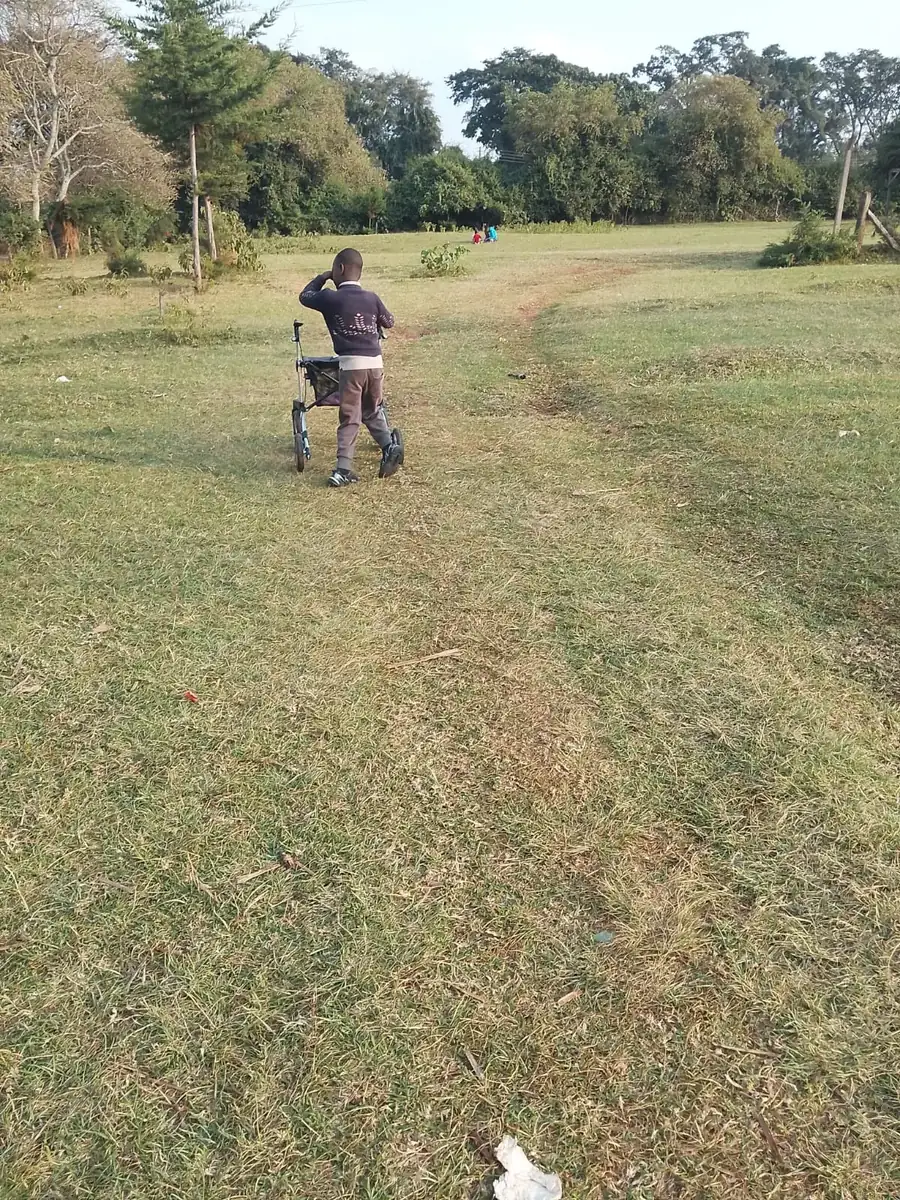
Rollator in daily outdoor use on unpaved ground in Kenya

From question to daily use — outdoor mobility in Kenya.

Today

Building the Future of Active Mobility

Today, BHK Solutions Kenya is preparing to introduce a proven mobility solution that has never been meaningfully integrated into East Africa's rehabilitation ecosystem.

The company's mission extends far beyond supplying mobility aids. It is about helping people remain active, independent and socially connected for as long as possible through practical outdoor mobility solutions adapted to African conditions.

Everything began with a desire to understand. That understanding became research. Research became successful pilot programmes. Those pilots became BHK Solutions Kenya. The journey continues—with the ambition of improving lives across Kenya and, ultimately, East Africa.

Evidence-Based Active Mobility

Built on observation, research and validation

BHK Solutions Kenya was not built on a marketing idea. It was built step by step — from what was observed in the field, through research and scientific evidence, into pilot programmes and commercial validation.

01

Observation

Years of field work in Kenya, and a category of outdoor mobility that was virtually absent despite a clear need.

02

Research

Rehabilitation literature, official statistics and Norwegian provision data reviewed before any product decision.

03

Scientific evidence

Statements on this website are being linked to published sources. References are added only once verified.

04

Pilot programmes

Two successful pilot programmes with APDK — nearly two years of continuous outdoor use by real participants.

05

Commercial validation

KEBS certification requested and commercial readiness prepared for launch in Kenya.

This is an introduction only. The full research library, official statistics and pilot documentation are collected under Research & Evidence.

Founder Articles/Insights

Short insights from the field

LinkedIn-ready reflections, observations and notes from the founder. Each card links to a longer report or note when available.

Observation

The rollator gap is visible once you start looking

In Nairobi, elderly people and those with walking difficulties are everywhere — yet outdoor rollators are almost never seen. The gap is not a lack of need; it is a lack of exposure to a proven solution.

Read the field note

Pilot learning

Two users, two age groups, one consistent result

Our pilots with APDK span an 85-year-old adult and an 8-year-old child. Both adapted quickly, both use the rollator outdoors, and both remind us that mobility support must fit real lives, not just clinical assumptions.

Read the pilot summary

Market insight

Kenya needs scale, not charity

With an estimated unmet need for around 550,000 mobility aids, Kenya cannot solve this through donations alone. The answer is a local, repairable, commercially viable product backed by evidence.

Read the market note

Reflection

Listening before building

BHK Solutions Kenya was founded on a simple idea: identify real challenges, understand them properly, and build practical solutions that improve people's everyday lives. That discipline still guides every decision.

Read the founder note

Sustainability

Durability is part of the design

A rollator that cannot be repaired locally will not last in Kenyan conditions. We chose aluminium, polyurethane wheels and replaceable parts so the device can be serviced with basic tools.

Read the design note

Next step

From pilot to procurement

The next milestone is turning validated pilots into institutional partnerships. Hospitals, counties and development partners need evidence, pricing and a reliable supply chain — and we are building all three.

Read the partnership note

Full reports and longer notes will be added here as they are finalised. The links above currently point to placeholders.